After multiple rounds of extreme heat across Montgomery and Bucks Counties this summer, many homeowners are starting to see the toll on their trees. Wilting leaves, scorched brown edges, thinning canopies, and even cracked bark can all signal that a tree is struggling with prolonged heat and dry conditions.
The good news is that heat stress doesn’t always mean a tree is dying. Many trees can recover, but their chances depend on the severity of the damage, the tree’s overall health, and how quickly the right care begins.
Key Takeaways
- Heat stress symptoms, like wilting, leaf scorch, and canopy thinning, often look more severe than they are and can be reversed with quick, consistent deep watering.
- The scratch test on bark is your most reliable tool to assess whether a tree can recover; green or cream-colored cambium underneath means the tree’s vascular system is still alive.
- Deep watering to the drip line (not just the trunk) is the single most important action; shallow surface watering does not reach the feeder roots where trees absorb water.
- Not all heat-stressed trees need professional help immediately—homeowners can monitor mild to moderate cases, but canopy loss over 30% or expanding dieback warrants an arborist assessment.
- Nutrient recovery support after stabilization strengthens trees to handle future heat stress; this is positioning for long-term health, not an emergency fix.
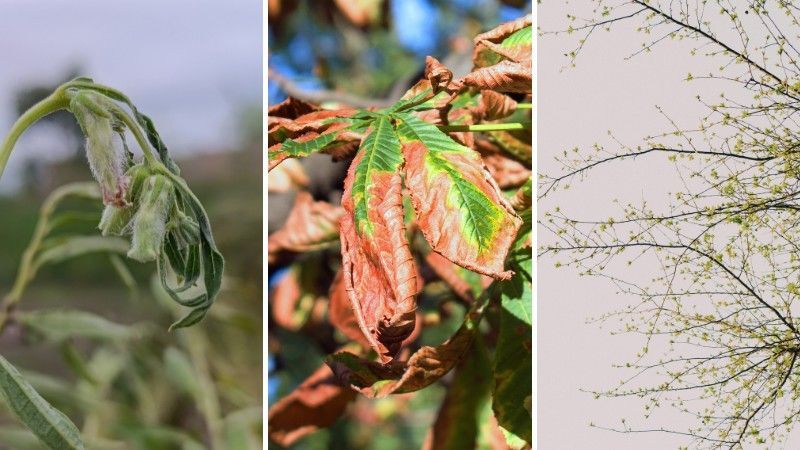
Heat stress often progresses from wilting leaves to scorched leaf margins and eventually canopy thinning if trees don’t receive adequate deep watering.
What Does Heat Stress Actually Look Like on Trees?
Heat stress creates visible symptoms that homeowners notice in mid-summer. Recognizing these signs is your first clue that your tree is struggling.
Common Heat Stress Symptoms
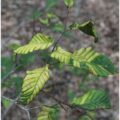
- Wilting or Drooping Leaves: Entire canopy or scattered branches appear limp, especially by afternoon. Early on, wilting may recover at night, but as stress continues, recovery stops.
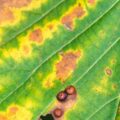
- Leaf Scorch : Brown, crispy edges on leaves while centers stay green. Margins turn tan and feel papery. Damage progresses inward if stress continues.
- Early Leaf Drop or Color Change : Yellowing or premature fall color in mid-summer. The tree sheds leaves to reduce water demand.
- Canopy Thinning : Noticeably sparser foliage; you can see sky through areas that were dense weeks ago.
- Bark Cracking or Sunscald : Vertical cracks in the bark, especially on thin-barked species like maples and beech. Discolored wood beneath the bark signals sun damage and severe stress.
Why This Happens
Heat forces water to evaporate from leaves faster than roots can replace it. As sap pressure drops, leaves lose firmness. The tree shuts down cells to slow water loss, causing the color changes and tissue death you see as scorch and leaf drop.
How Can You Tell Heat Stress from Serious Tree Decline?
Distinguishing normal summer stress (recoverable) from dangerous decline (requiring professional help) determines your next step. Here’s the severity spectrum:
Healthy Summer Appearance
- Firm, turgid leaves with rich green color
- Full, dense canopy with consistent branch structure
- Smooth, intact bark with no cracks or discoloration
- Wilting recovers completely overnight with watering
Heat-Stressed Appearance (Recoverable)
- Wilting or curled leaves with brown margins; incomplete overnight recovery
- Canopy slightly thinner; some inner branches visible
- Fine, shallow cracks in the outer bark that don’t expose the wood underneath
- Tree is distressed but structure remains intact
Dangerous Decline Appearance (Needs Professional Assessment)
- Canopy dieback exceeds 30% with dead branches spreading inward
- Bark splitting, peeling, or sunscald over significant trunk area
- No overnight wilting recovery despite consistent watering
- Multiple stress indicators present simultaneously (not just scorch OR canopy loss, but several together)
Why Are My Tree’s Leaves Curling and Discolored?
Trees pull water from soil through their vascular system (the xylem), creating sap pressure that keeps leaves firm. Think of it like pressure in a garden hose—when pressure is on, the hose stays rigid. When pressure drops, it goes limp.
During extreme heat, water evaporates from leaves faster than roots can replace it. Sap pressure falls, leaves lose rigidity and curl or wilt. Cells throughout the leaf shut down in response to water loss, causing visible color changes and tissue death.
Early-stage leaf damage can be reversed with consistent deep watering that restores sap pressure. Late-stage damage (where cells are permanently dead) cannot be reversed, but you can prevent it from spreading with quick action. Brown, scorched margins are dead cells at leaf edges. If the center is still green, the leaf and branch can recover with consistent moisture.
Why Shallow-Rooted Trees Suffer Most
Red maples are common in Ambler and throughout the region, and they show severe heat stress symptoms weeks before deep-rooted oaks because their feeder roots concentrate in the top 8–12 inches of soil, where moisture depletes first during Bucks County summers.
Eastern hemlocks in Dresher and Chalfont properties suffer similarly in full-sun, compacted soil settings but recover well once proper drainage and moisture are restored.
Both species respond quickly to deep watering and root-zone improvement.
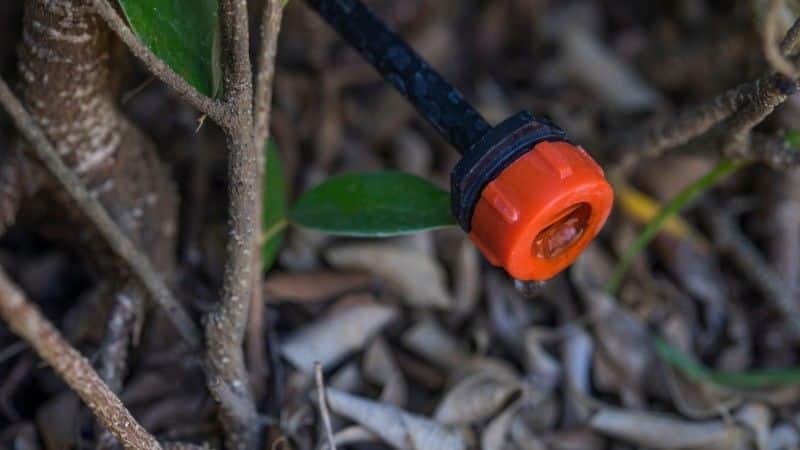
Deep watering at the drip line delivers moisture where feeder roots absorb it most effectively, helping heat-stressed trees recover.
What Should You Do Right Now if Your Tree Is Heat-Stressed?
The next four weeks are critical. Here’s what works:
Immediate Watering Strategy
- Water deeply to 10–12 inches beneath the surface (use a soil probe to verify)
- Extend watering to the drip line (canopy edge), not just the trunk
- Use soaker hose or drip system at low flow for 30–45 minutes every 2–3 days during extreme heat
- For newly planted trees: every 1–2 days, 5–15 gallons per week
- Allow soil to partially dry between waterings (waterlogging causes root rot)
What NOT to Do During Acute Stress
- Don’t prune (except dead/hazardous branches) — wounds demand carbohydrate reserves your tree cannot spare
- Don’t fertilize — nitrogen stimulates growth, increasing water demand when the tree is already stressed
- Don’t use wound sealants — they don’t improve closure and trap moisture, promoting decay
When to Stop Home Care and Call an Arborist
Stop DIY treatment and call a professional if:
- No visible improvement after 4 weeks of consistent deep watering
- New wilting appears despite consistent water
- Canopy dieback is expanding rapidly
- Bark is cracking or peeling
How Quickly Will a Heat-Stressed Tree Recover?
Recovery time varies from tree to tree. The severity and duration of the heat, access to adequate water, tree species, age, and overall health can all affect how quickly a tree stabilizes and begins to recover.
- Mild Heat Stress: A tree may begin to stabilize within a few weeks once conditions improve and it receives adequate water. Recovery may occur within the same growing season.
- Moderate Heat Stress: More significant stress can take several months to stabilize, with fuller recovery extending into the next growing season.
- Severe Heat Stress or Decline: Recovery may take several growing seasons—if the tree can recover at all. Trees showing signs of serious decline should be evaluated by an arborist to determine whether supportive care is appropriate or the damage is too extensive.
Even after visible symptoms improve, a tree may remain vulnerable to pests, disease, and future drought while it rebuilds its energy reserves.
Can Fertilization Help a Heat-Stressed Tree Recover?
Yes, fertilization can help a heat-stressed tree recover, but only after the immediate heat and drought stress has eased—and only if the tree would benefit from added nutrients. Fertilizer is not an emergency treatment for a tree actively struggling to maintain adequate moisture.
Once conditions improve, targeted fertilization can help correct nutrient deficiencies and support long-term recovery. However, applying fertilizer when it isn’t needed—or using too much nitrogen—can encourage new growth that requires more water and places additional demand on an already stressed root system.
A soil test can identify nutrient deficiencies and help determine whether fertilization would benefit the tree. When treatment is appropriate, an arborist can recommend the right nutrients and application timing based on the tree’s condition.
Support Recovery with an Ongoing Plant Health Care Program
Recovering from heat stress doesn’t end when temperatures cool down. Clauser’s tree and shrub care programs provide ongoing support based on your trees’ needs and the level of care you want for your property.
Every program includes spring and fall nutrient applications to support root health, replenish nutrients, and improve overall tree vigor. Higher service levels add more proactive monitoring and care throughout the growing season, helping identify and address pest, disease, and other health concerns before they cause more significant damage.
Frequently Asked Questions About Heat-Stressed Trees
Do I need to test my soil before fertilizing a heat-stressed tree?
Yes. Soil testing reveals exactly which nutrients your soil lacks. Many homeowners over-fertilize with nitrogen, which increases stress. A soil test prevents wasted money and harm to your recovering tree.
What’s the best way to water a heat-stressed tree?
Soaker hoses or drip systems are ideal for slow, deep watering without waste. A garden hose on low flow works fine, too. Professional deep-watering services cost more but use specialized equipment. Start with DIY watering, and then call an arborist if your tree doesn’t improve after 4 weeks.
Do red maples and eastern hemlocks recover differently from heat stress?
Both are vulnerable but respond well to deep watering and root-zone care. Red maples recover faster with early intervention due to their vigorous growth habit. Hemlocks decline quickly in full-sun, compacted soil but recover well once proper root-zone management is established.
When is it safe to start fertilizing a heat-stressed tree?
Wait until the tree has stabilized and is no longer showing signs of acute heat stress. New bud formation, reduced wilting, and a stable canopy can indicate that the tree is beginning to recover. Fall fertilization can then support root health and replenish nutrients without encouraging excessive new growth during the heat of summer.
Are heat-stressed container trees harder to save than in-ground trees?
Yes. Container trees have restricted roots, so they dehydrate faster with fewer reserves. They need more frequent watering (sometimes daily) and benefit from shade during extreme heat. In-ground trees with established roots have better recovery odds.
Which plant health care service level is right for a recovering heat-stressed tree?
Early recovery benefits from basic monitoring and watering guidance. Once stable, more comprehensive services add soil testing and targeted fertilization. For ongoing prevention and multi-year recovery planning, higher service tiers offer year-round support.
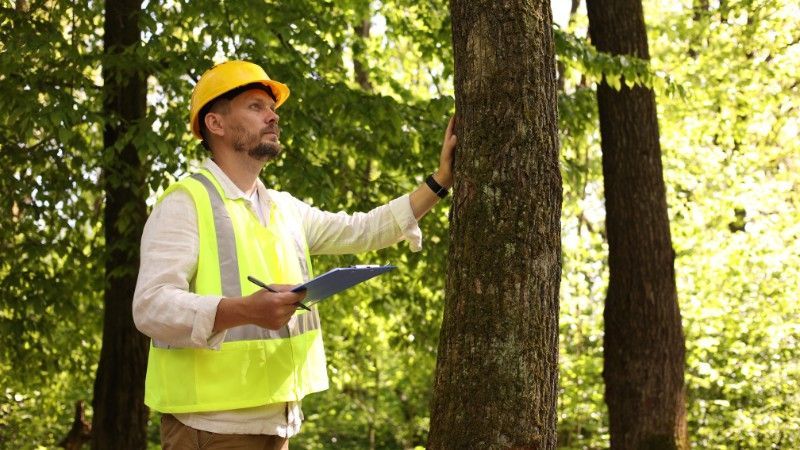
An arborist assesses canopy condition, bark health, and overall tree vigor to determine whether a heat-stressed tree is likely to recover or needs professional treatment.
Don’t Let Heat Stress Become Tree Loss
Many heat-stressed trees can recover when the problem is recognized early and they receive the right care. Consistent, deep watering throughout the root zone can help your tree manage extreme summer conditions and give it the support it needs to begin recovering.
If your tree isn’t improving after four weeks, or if you’re seeing more serious signs of decline,, call 215-337-4022 or schedule a professional assessment from Clauser Tree Care. We serve Ambler, Dresher, Chalfont, and the surrounding Montgomery and Bucks Counties. Once stabilized, plant health care consultation guides long-term recovery and prevents stress failures year after year.
About Clauser Tree Care
From who you talk to on the phone in our office, to our courteous and experienced work crews who provide your service, all of the hard-working team members at Clauser Tree Care strive for complete client satisfaction. Our job is simply not done until you are pleased with the experience that you have had working with our company. Founded more than 25 years ago on the principles of honest work and arboricultural best practices, we strive for a higher standard of care for a greener future.