You may notice webbing at the ends of branches, bags hanging from limbs, or leaves that suddenly look dusty or discolored as fall approaches. Several tree pests become easier to spot this time of year, and finding fall webworms, bagworms, scale insects, or spider mites can leave homeowners wondering what they’re looking at and whether it actually needs treatment.
Treatment timing varies by pest, which makes accurate identification important. Here’s how to tell these common fall pests apart, what their damage means, and when monitoring makes more sense than treatment.
Key Takeaways
- Fall webworm webs look alarming but rarely kill a mature shade tree; most healthy trees need little or no intervention.
- Bagworms spotted in early fall have typically already sealed themselves inside their bag for the season, so handpicking now, not spraying, is the right move.
- Scale insects and spider mites can be easy to overlook because infestations may begin with subtle discoloration, stippling, or small insects that are difficult to see without close inspection.
- Not every pest on this list needs an arborist visit right now, but knowing which ones do can prevent unnecessary treatment and help catch problems that do warrant attention.
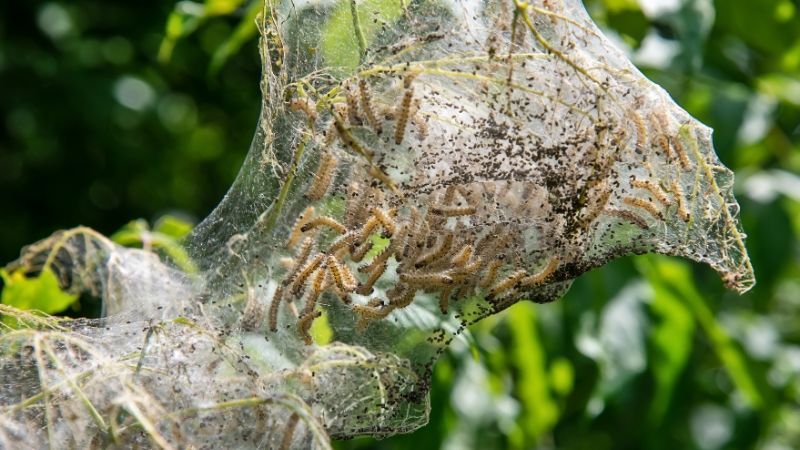
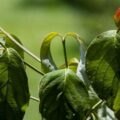
Fall webworms build expanding webs around the leaves they feed on, typically near the ends of branches.
What Is That Web at the End of My Tree’s Branches?
That loose, silken web on your tree’s branches is likely fall webworm, a native Pennsylvania pest. The web itself is often the first clue, but a few specific details can help confirm the identification.
How to Identify Fall Webworm
Look at where the web is located, what’s inside it, and what the surrounding leaves look like. Fall webworm has several characteristics that distinguish it from other caterpillars that build webs in trees:
- Web forms at the tip of a branch, not in a fork or crotch where two branches meet.
- Feeds on nearly 90 species of deciduous trees, with hickory, walnut, birch, cherry, and crabapple among its favorites.
- The web contains caterpillars, chewed and skeletonized leaves, and droppings, and grows larger as the larvae need more food.
- Appears from late summer through early fall in Pennsylvania.
If the web is built in a branch fork or crotch instead of at the tip, you may be looking at Eastern tent caterpillar, a spring pest with a different seasonal cycle.
Why Fall Webworm Rarely Threatens a Healthy Tree
Fall webworm webbing usually looks worse than it actually is. On a mature shade tree, feeding is typically limited to scattered branches and affects appearance more than overall tree health. Because the feeding occurs late in the growing season, the tree has already produced much of the energy it needs for the year, so leaf loss is generally less damaging than defoliation earlier in the season. Birds, parasitic insects, and other natural predators also help keep fall webworm populations in check.
For most healthy trees, fall webworm is more of a cosmetic nuisance than a serious health threat. If you’re not sure whether the damage is limited or worth a closer look, a professional pest assessment can help confirm what you’re seeing and whether any treatment is needed.
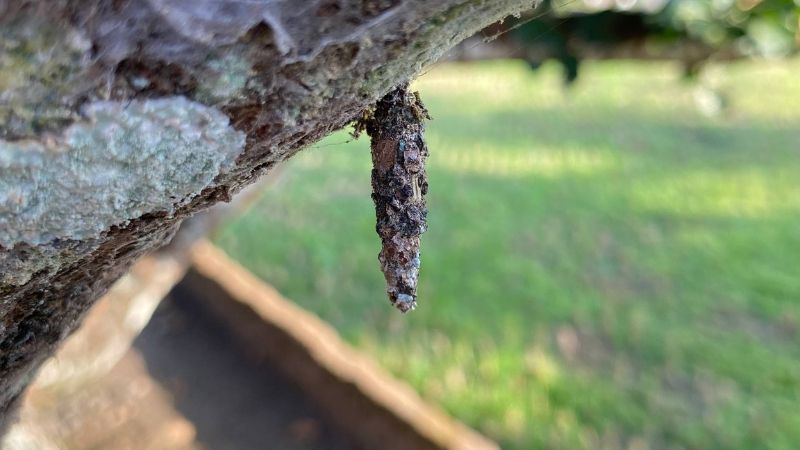
Bagworms build distinctive bags from silk and pieces of plant material, making them easy to mistake for part of the tree.
Why Are There Bags Hanging from My Tree’s Branches?
Those cone-shaped bags swaying from a branch are bagworms, and by September they call for a different response than fall webworm.
How to Identify Bagworms
The bag itself is the easiest clue, but its appearance, movement, and the type of tree it’s attached to can help confirm you’re dealing with bagworms:
- Cone-shaped bags built from silk and bits of leaf or bark, camouflaged against the branch.
- The bag moves as the caterpillar inside crawls, which sets it apart from fall webworm’s loose, stationary webbing.
- Found most often on evergreens such as arborvitae, juniper, and spruce, though many deciduous species host them too.
Why You Should Monitor, Not Spray in Fall
By early fall, Pennsylvania bagworms have typically already pupated inside their bags, and chemical controls applied after pupation will be ineffective. At this stage, handpicking visible bags is the more practical option. Remove and destroy them rather than dropping them beneath the tree, since each bag may contain hundreds of eggs.
Bagworm eggs typically hatch in late May through early June, and treatment is most effective shortly after hatch while the larvae are still small. Because the exact timing varies with weather, monitoring is more reliable than treating according to the calendar alone. If bagworm-prone evergreens are an important part of your landscape, adding them to a PHC monitoring plan can help catch activity during the appropriate treatment window next spring.
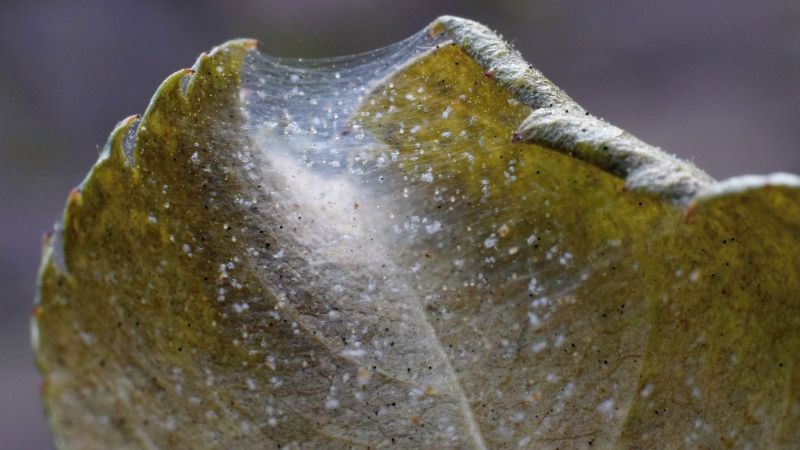
Fine webbing and stippled or discolored foliage can be signs of spider mite activity.
Why Do My Leaves Look Dusty or Discolored?
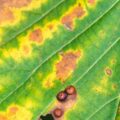
Dusty-looking or off-color foliage can point to smaller pests such as scale insects or spider mites, although other tree problems can cause similar symptoms.
Scale Insects (Oystershell Scale)
- Host Plants: Lilac, ash, dogwood, maple, poplar, and willow
- Timing: Crawlers hatch in late May through early June, and by fall that active window has generally passed. Pennsylvania sees just one generation per year.
- What It Looks Like: Scale-covered or encrusted bark, with twig and branch dieback developing as infestations become heavier.
Spider Mites (Spruce Spider Mites)
- Host Plants: Spruce, arborvitae, juniper, hemlock, pine, and Douglas-fir
- Timing: A cool-season mite that can be actively feeding again in early fall.
- What It Looks Like: Speckled or yellowish needles that can progress to rusty brown, sometimes with fine silk webbing.
Oystershell scale is one of the most common armored scale pests found on Pennsylvania shade trees and shrubs, while spruce spider mite is one of the most destructive mite species in the country.
How to Confirm a Spider Mite Infestation
To check for spider mites, use this simple diagnostic test:
- Hold a sheet of white paper under a suspect branch.
- Strike the branch hard against the paper.
- Look for tiny dark specks, about 0.5 millimeters long, against the white background.
- Check three or four spots around the tree before drawing a conclusion.
If a closer look at scale and mites turns up an active population, it’s worth having a professional confirm which pest you’re dealing with before treatment begins.
Should I Treat This Tree Pest Now or Monitor It?
Finding a pest does not automatically mean the tree needs treatment. Whether it makes sense to treat now or monitor depends on how much of the pest is present, the tree’s condition, the damage it is causing or likely to cause, the pest’s life stage, and how well the tree can tolerate the injury.
Two additional factors can help determine how closely the problem needs attention:
- Tree Value and Role on the Property: A specimen tree, a privacy screen, or anything growing near a structure has a lower tolerance for “wait and see” than a mature shade tree in the back of the yard, since the cost of losing it or letting damage spread is higher.
- Repeat Activity: A pest returning to the same tree over multiple seasons deserves more attention because repeated feeding can add stress over time, even when a single season’s damage is limited.
If you’re seeing more than one of these pests at once, resist the urge to triage it yourself. A single professional visit is more accurate and can help sort out which problem actually needs attention first. A tree health assessment can settle the tree-value and repeat-activity questions in one trip.
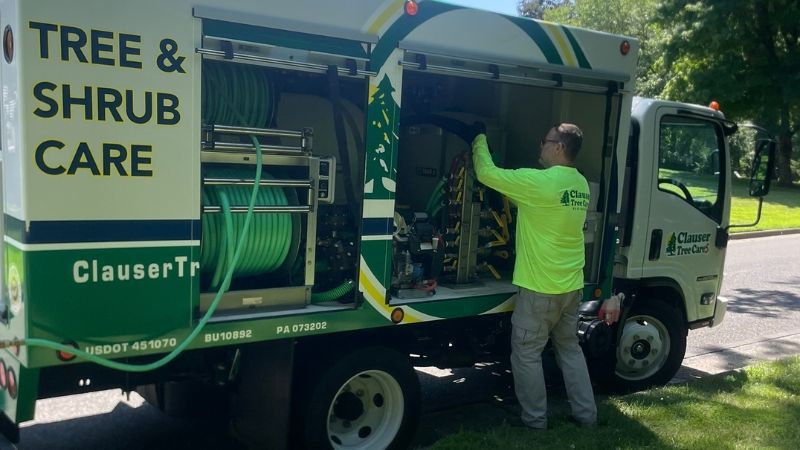
Professional monitoring can help identify pest activity and time treatments for the stage when they will be most effective.
When Should You Call a Professional Arborist?
Pest symptoms can resemble disease, nutrient deficiencies, or other tree health problems, and some treatments only work during specific stages of a pest’s life cycle. A professional assessment can confirm what you’re dealing with and whether treatment is appropriate now or should be planned for another time.
Consider calling an arborist when:
- The affected trees are difficult to inspect or treat safely. Tall trees, dense evergreen screens, and infestations spread across several trees can be difficult to evaluate thoroughly with consumer equipment from the ground.
- You’re concerned about treating the wrong thing. A professional can choose a targeted approach based on the pest and its life stage rather than relying on broad DIY spraying that may also affect beneficial insects.
- The problem keeps returning. Professional monitoring can track recurring pest activity and plan treatment around the appropriate window instead of treating each sighting as an isolated problem.
Frequently Asked Questions About Fall Tree Pests
Can these fall pests spread from one tree to another in my yard?
Young bagworm larvae can disperse to nearby plants by producing silk threads that catch the wind. A heavy infestation on one tree is therefore a reason to inspect nearby susceptible plants. Fall webworm and scale spread more slowly and are less likely to move between trees within a single season.
Will removing the bags or webs myself make the problem worse?
Not usually, as long as you avoid pruning healthy branches just to reach them. For bagworms, remove and destroy the bags rather than leaving them beneath the tree. For fall webworm, removing active webs can reduce the number of larvae completing their life cycle nearby.
Can I prevent these pests from coming back next year?
Removing and destroying bagworm bags in fall can reduce the number of eggs that hatch the following spring. Fall webworm pupae can also overwinter in ground litter, but cleanup alone will not prevent scale or spider mites, which overwinter primarily on their host plants.
How is treating these pests different from treating spotted lanternfly?
These pests have different seasonal cycles and treatment windows, while spotted lanternfly management follows a different seasonal approach. For some, such as bagworm and oystershell scale, hitting a specific life stage is particularly important.
Does a healthy, well-maintained tree still get these pests?
Yes. Even vigorous, well-cared-for trees can host webworm, bagworm, scale, or mites, though stressed trees are generally slower to recover from repeated or heavy infestations.
Find Out What Your Tree Actually Needs
The important distinction isn’t whether a pest looks alarming in September. It’s whether you’re seeing active feeding, an infestation whose treatment window has already passed, or evidence of a problem worth monitoring into next season.
If you’re not sure what your Warrington, Perkasie, Souderton, or Hatboro tree needs, call us at 215-515-4472 or request a fall pest assessment for a clear recommendation based on what you’re seeing now and what may need attention before winter.
About Clauser Tree Care
From who you talk to on the phone in our office, to our courteous and experienced work crews who provide your service, all of the hard-working team members at Clauser Tree Care strive for complete client satisfaction. Our job is simply not done until you are pleased with the experience that you have had working with our company. Founded more than 25 years ago on the principles of honest work and arboricultural best practices, we strive for a higher standard of care for a greener future.