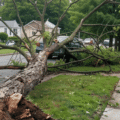
Winter’s arrival in Montgomery and Bucks Counties means more than just shorter days and holiday preparations. December through February represents the ideal season for tree removal in Southeast Pennsylvania. Whether you’re dealing with storm-damaged trees from last year’s severe weather events or planning ahead for a hazardous tree threatening your home, proper preparation can mean the difference between a smooth project and costly delays.
Pennsylvania’s patchwork of municipal regulations makes tree removal preparation particularly complex in our area. From Doylestown Borough’s strict permit requirements to the varying regulations across townships, homeowners need location-specific guidance to avoid legal complications and ensure professional service.
Key Takeaways
- Pennsylvania’s complex regulations and insurance requirements make professional contractor selection critical for legal compliance and safety.
- Proper property preparation prevents damage to landscaping and ensures efficient project completion.
- Doylestown Borough requires $15 permits for trees 6″+ in diameter, while many townships have different thresholds or no requirements for private property trees.
- December through February provides optimal conditions with dormant trees, better equipment access, and faster project completion in Southeast Pennsylvania.
- Storm-damaged trees often qualify for expedited permit approvals, but professional assessment remains crucial for safety and insurance compliance.

Clauser’s Certified Arborists use professional climbing techniques and rigging systems to safely dismantle large trees section by section.
How to Choose a Qualified Tree Removal Contractor
Before any work begins, the most important step is choosing a qualified tree removal contractor. The wrong company can leave you with damaged property, unfinished work, surprise costs, or – worst of all – serious safety risks. Winter tree removals in Pennsylvania require technical skill, proper insurance, and equipment most general contractors don’t have.
A reputable, properly insured tree service protects your home, your wallet, and everyone on site. Here’s how to make sure you’re hiring the right team from the start.
What Licenses and Insurance Should Tree Contractors Have?
Your contractor should have:
- Pennsylvania Home Improvement Contractor License: Required for any tree work exceeding $500
- General Liability Insurance: Minimum $500,000 coverage for property damage protection
- Workers’ Compensation Insurance: Protects you from liability for worker injuries
What Questions Should I Ask Tree Removal Companies?
Use these essential questions to evaluate potential contractors and ensure you’re working with a qualified professional:
- Can you provide current Pennsylvania licensing and insurance certificates?
- Do you have ISA Certified Arborists on staff?
- Will you handle permit applications and municipal approvals?
- What is included in your cleanup and disposal process?
- Can you provide references from recent local projects?
What Are Red Flags When Hiring Tree Services?
Protect yourself and your property by staying away from contractors who exhibit these warning signs:
- Door-to-door solicitation, especially after storms
- Demands for full payment upfront or cash-only payments
- Cannot provide proof of licensing and insurance
- Verbal estimates only without written contracts
- Pressure for immediate decisions
Do I Need a Permit for Tree Removal in Montgomery & Bucks Counties?
Pennsylvania delegates tree removal authority to municipalities, creating varying requirements across Montgomery and Bucks Counties. Research your specific municipality’s rules before any removal project.
Which Municipalities Require Tree Removal Permits?
| Municipality | Permit Required | Tree Size Threshold | Fee | Notes |
|---|---|---|---|---|
| Doylestown Borough | Yes | 6″+ DBH | $15 | Historic district may require additional approvals |
| Upper Dublin Township | Yes | Environmental/visible from road | Varies | Limited to sensitive areas |
| Horsham Township | Yes | Within 20′ of street | Varies | Right-of-way focus |
| Most Other Townships | No | N/A | N/A | Right-of-way trees only |
When Permits Are NOT Required
Even in regulated municipalities, certain situations exempt property owners from permit requirements:
- Dead or dying trees deemed hazardous by a Certified Arborist
- Emergency removals following storm damage (though post-removal notification may be required)
- Trees smaller than the municipality’s size threshold
- Invasive species removal in some jurisdictions
PRO TIP: Even when permits aren’t required, documentation from an ISA Certified Arborist can protect you from neighbor complaints and potential municipal fines.

Properly preparing your property for tree removal and eliminating any obstacles from the yard will lower the risk of property damage during tree removal.
How to Prepare Your Property for Tree Removal
Tree removal in Montgomery and Bucks Counties requires special consideration for winter conditions and protection of your property’s landscaping.
Plan Safe and Clear Equipment Access
Professional crews often need bucket trucks, chippers, or even cranes, which means planning access routes ahead of time.
- Large Properties: Crane access may require temporary fence removal or landscape modification. Plan routes that minimize impact on specimen plantings and hardscaping.
- Established Neighborhoods: Mature properties often need comprehensive planning for equipment positioning and debris removal. Consider temporary road access if your driveway cannot accommodate large trucks.
- Dense Suburban Areas: May require neighbor coordination for equipment staging and temporary access routes.
Protect Your Landscaping and Surroundings
Winter tree removal offers advantages for landscape protection, as dormant plants are less susceptible to damage from equipment traffic. Prepare your property by:
- Moving Nearby Objects: Remove anything that may get in the way or be damaged during tree removal
- Marking Underground Utilities: Call PA 811 at least 72 hours before work begins
- Protecting Nearby Trees: Add padding or barriers to prevent bark damage from falling limbs
- Covering Delicate Plantings: Use burlap or temporary fencing to protect shrubs from debris
Coordinate Utility Safety Ahead of Time
Pennsylvania’s dense utility infrastructure requires careful coordination, especially in established neighborhoods
- PECO handles trees directly contacting main power lines.
- Private property trees near utilities often require a planned shutoff or safety clearance.
- Contact utilities at least one week before work if power, cable, or service lines are involved.
Contact utilities at least one week before your planned removal date. In some cases, temporary power shutoffs may be necessary, requiring advance neighbor notification and special scheduling.
Notify Neighbors Before Work Begins
Professional courtesy and legal protection both benefit from early neighbor communication:
- Notify adjacent neighbors at least one week in advance
- Explain the project scope and expected duration
- Address concerns about property access or debris
- Provide contractor contact information for the work day
Frequently Asked Questions About Tree Removal Preparation
Do I need a permit to remove a tree on my property in Montgomery County PA?
Pennsylvania delegates tree removal authority to municipalities, so requirements vary by location. For example, Doylestown Borough requires permits for trees 6″+ diameter, while many townships only regulate trees in public rights-of-way. Check with your specific municipality’s building department for current requirements.
How long does it take to get a tree removal permit in Doylestown?
Doylestown Borough’s Shade Tree Commission reviews applications within 35 days, though winter applications typically process faster. Submit your application with required photos and $15 fee at least 4-6 weeks before your planned removal date to ensure timely approval.
How do I know if my tree removal contractor is properly licensed?
Verify Pennsylvania Home Improvement Contractor licenses through the state website, request current insurance certificates, and confirm ISA certification for any arborists on the crew. Reputable contractors willingly provide documentation and should carry at least $500,000 liability coverage.
Can I remove a dead tree without a permit?
Most municipalities exempt dead or hazardous trees from permit requirements, but you typically need documentation from a Certified Arborist confirming the tree’s condition. Some areas require post-removal notification even for dead trees, so check your local requirements before proceeding. Learn more about identifying dying trees that may qualify for permit exemptions.

Proper tree removal requires adequate space for our team to set up equipment and lower debris for disposal.
Start Your Tree Removal Project with Trusted Local Experts
Preparing for tree removal in Montgomery and Bucks Counties requires understanding local permits, choosing qualified contractors, and timing projects appropriately for Southeast Pennsylvania’s climate. Winter months offer optimal conditions for removal projects, with dormant trees, better equipment access, and often reduced pricing.
For over 30 years, Clauser Tree Care has helped homeowners in Chalfont, Doylestown, Ambler, and surrounding areas navigate the complexities of professional tree removal. Our ISA Certified Arborists understand local permit requirements and handle everything from applications to final cleanup.
Ready to move forward with your tree removal project? Call us at 215-542-8291 or request a quote online for a consultation to discuss your specific needs and receive a detailed estimate.
About Clauser Tree Care
From who you talk to on the phone in our office, to our courteous and experienced work crews who provide your service, all of the hard-working team members at Clauser Tree Care strive for complete client satisfaction. Our job is simply not done until you are pleased with the experience that you have had working with our company. Founded more than 25 years ago on the principles of honest work and arboricultural best practices, we strive for a higher standard of care for a greener future.